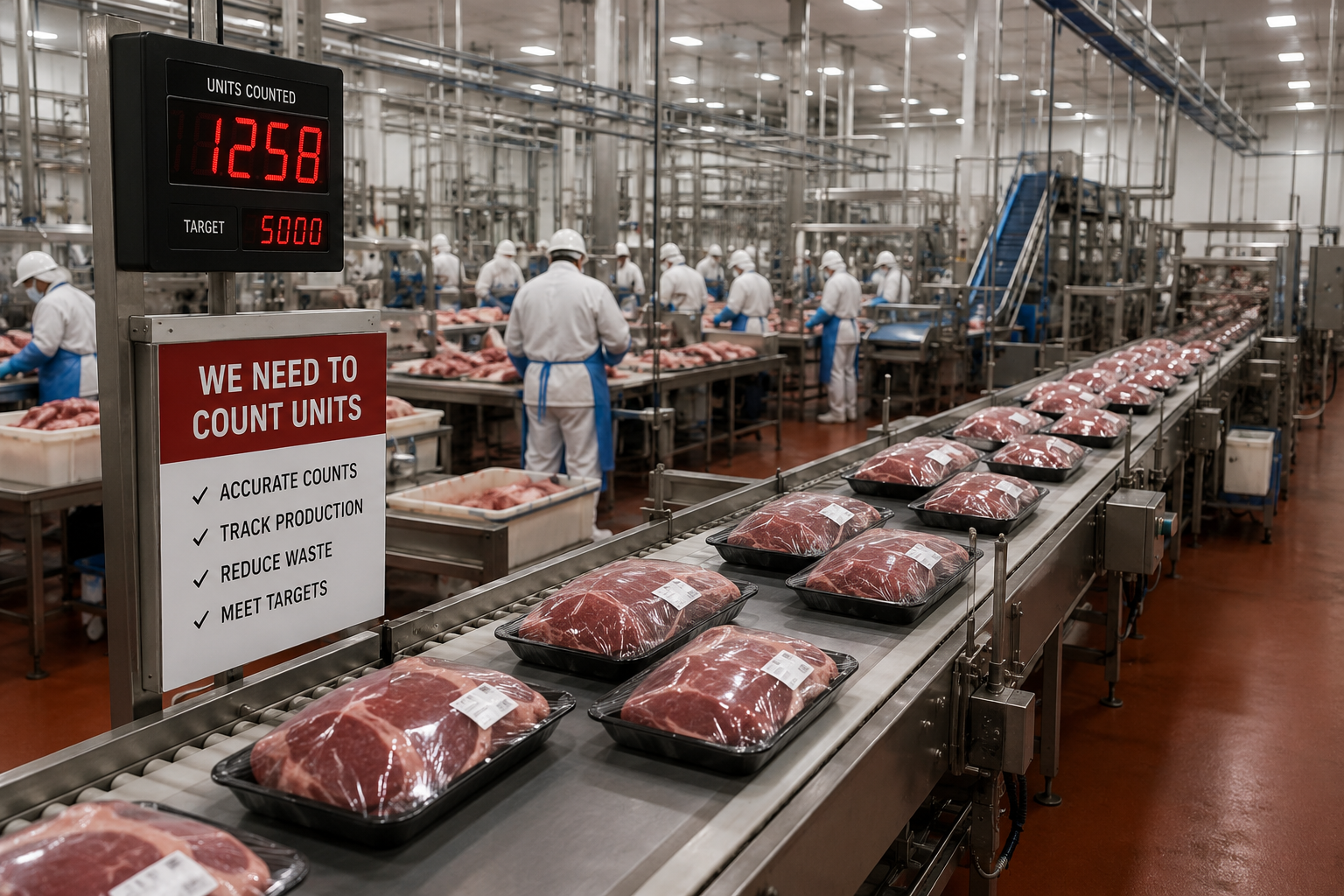
protein processing manufacturing
AI vision for protein manufacturing productivity
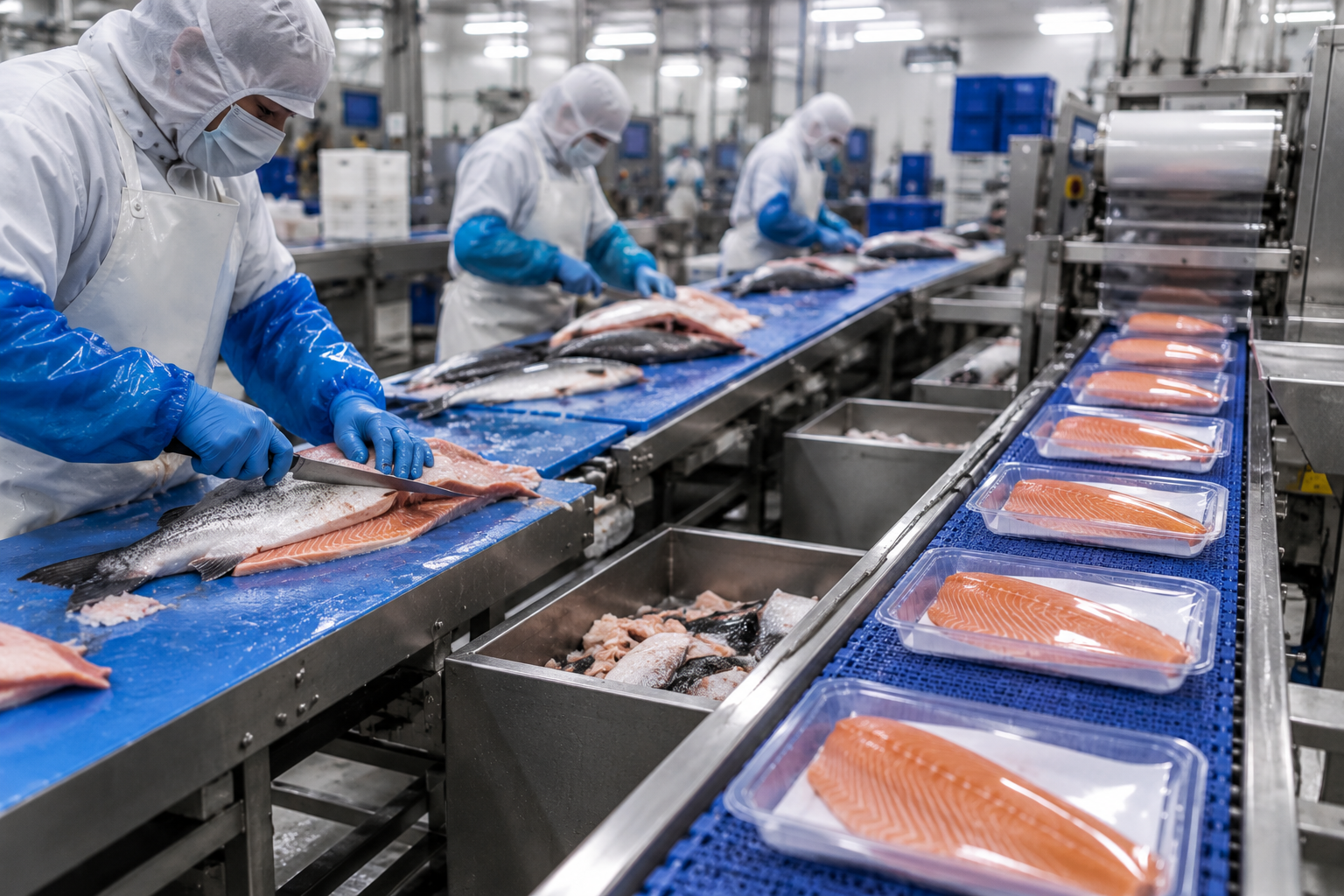
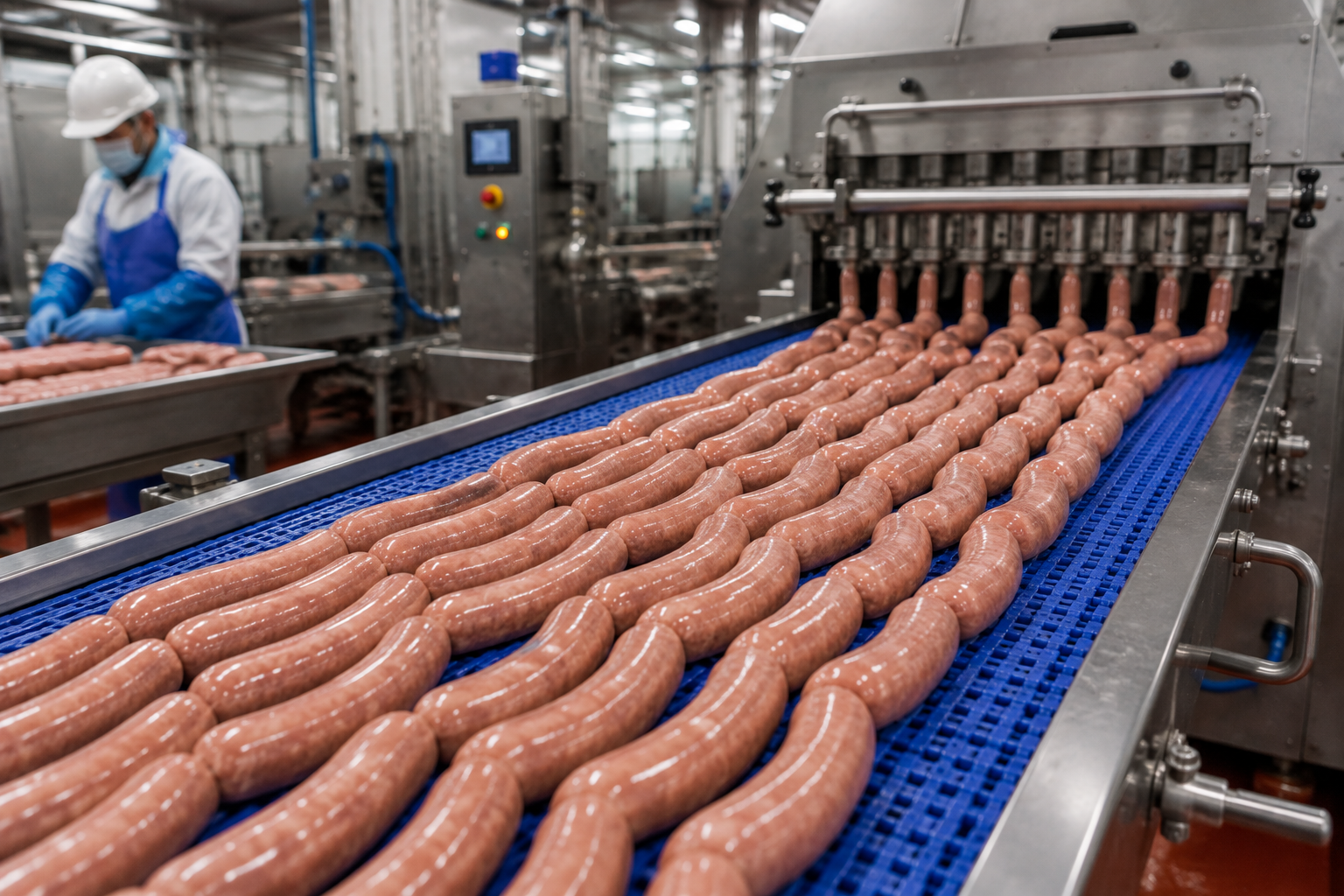
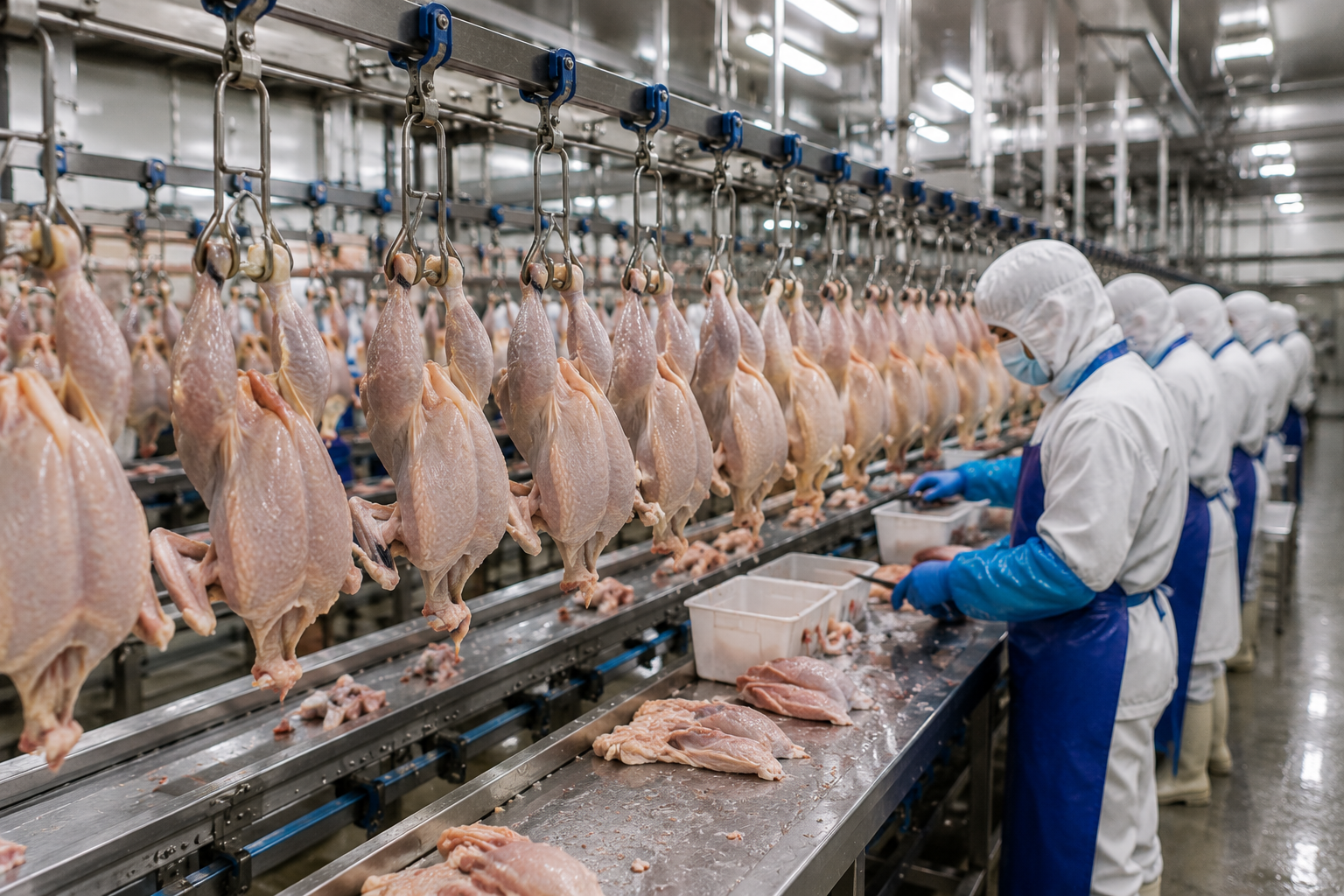
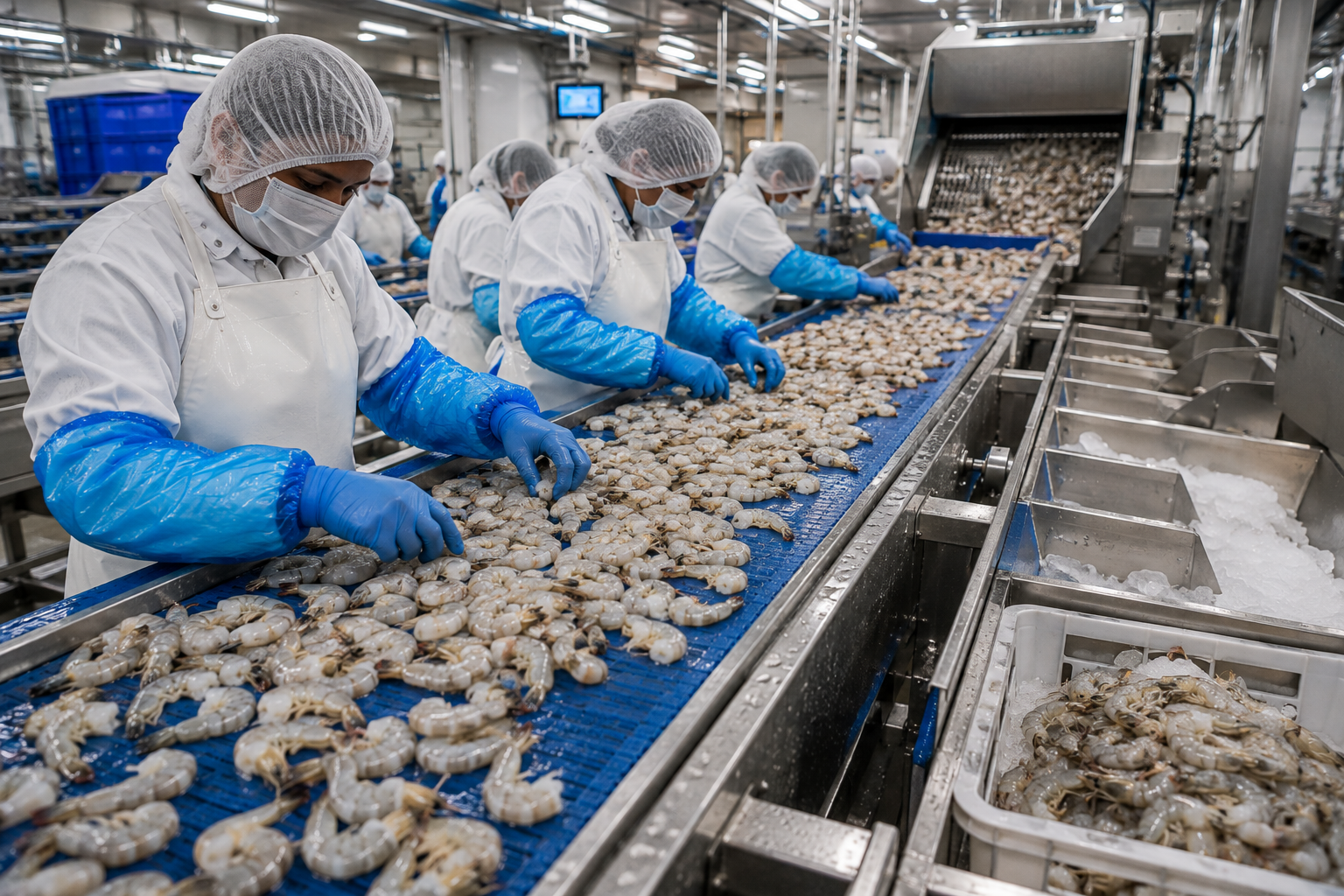
From poultry cut-up and beef deboning to seafood filleting and processed meat forming, visionAI gives protein processors the visual intelligence to eliminate production blindspots that sensors and reporting systems simply cannot reach.
protein processing manufacturing
AI vision for protein manufacturing productivity
From poultry cut-up and beef deboning to seafood filleting and processed meat forming, visionAI gives protein processors the visual intelligence to eliminate production blindspots that sensors and reporting systems simply cannot reach.
Trustedacross global protein production environments
Deployed in high-volume poultry, meat, and seafood processing facilities across the US, UK, Australia, and South Africa
Used on MSP lines, poultry cut-up and deboning operations, seafood filleting lines, and processed meat forming and packing
Designed for facilities operating under USDA FSIS inspection, HACCP compliance, and high-throughput, multi-shift production
The visibility gap in protein processing
Most protein processing facilities have significant investments in ERP and MES systems. They know what they’re supposed to produce, and they know – after the fact – what they did produce.
What remains stubbornly difficult to answer is why production underperformed: which upstream event caused the loss, which shift drove the variance, which human or machine behaviour was the root cause. That question falls between your data systems, and it costs margin on every shift it goes unanswered.
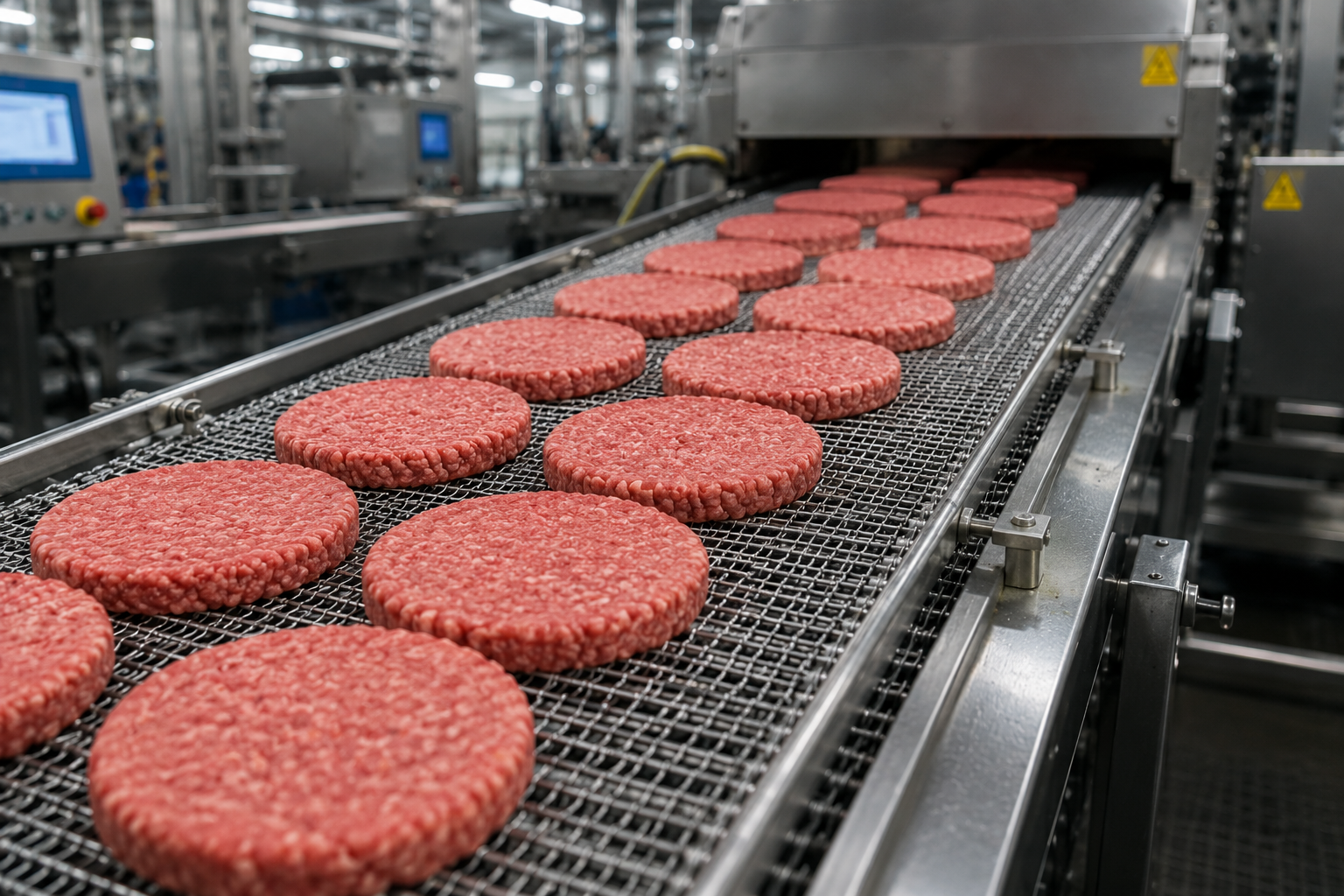
Your key challenges:
Labor shortages and rising labor costs
Protein processing is one of the hardest industries to staff. High turnover, physically demanding conditions, and increasing minimum wages mean labor costs continue to rise while skilled, experienced line workers are increasingly difficult to retain — especially on night shifts and in cut-up and deboning operations.
Yield loss and production data gaps
In protein processing, every gram matters. Trim waste, deboning losses, over-portioning, and mis-cuts directly erode margin at scale. Most facilities track yield on paper or by batch weight – with no real-time visibility into where losses are actually occurring or which operator, line, or SKU is driving them.
USDA FSIS and HACCP compliance burden
Meat and poultry processors in the US operate under mandatory USDA FSIS inspection – with daily oversight of production practices, sanitation, HACCP compliance, and increasingly rigorous Listeria controls and SSOP verification. Documentation is paper-heavy, and manual monitoring leaves gaps that regulators are closing in on.
Food safety and brand risk
A single contamination event – cross-contamination between allergen lines, a missed PPE requirement, or a sanitation lapse – can trigger a USDA recall, retailer delisting, and reputational damage that takes years to recover from. The consequences are too high to rely on periodic manual checks.
The CAPEX trap
Traditional machine vision inspection systems in protein processing are expensive, single-point, and reactive – they catch defective product after the fact. They don’t identify why yields dropped, which shift drove the losses, or what human processes broke down upstream.
How visionAI improves protein manufacturingproduction efficiency
Visual OEE
See what your production data can’t tell you.
Visual OEE augments your existing production data with the operational context your cameras can see and your sensors cannot measure:
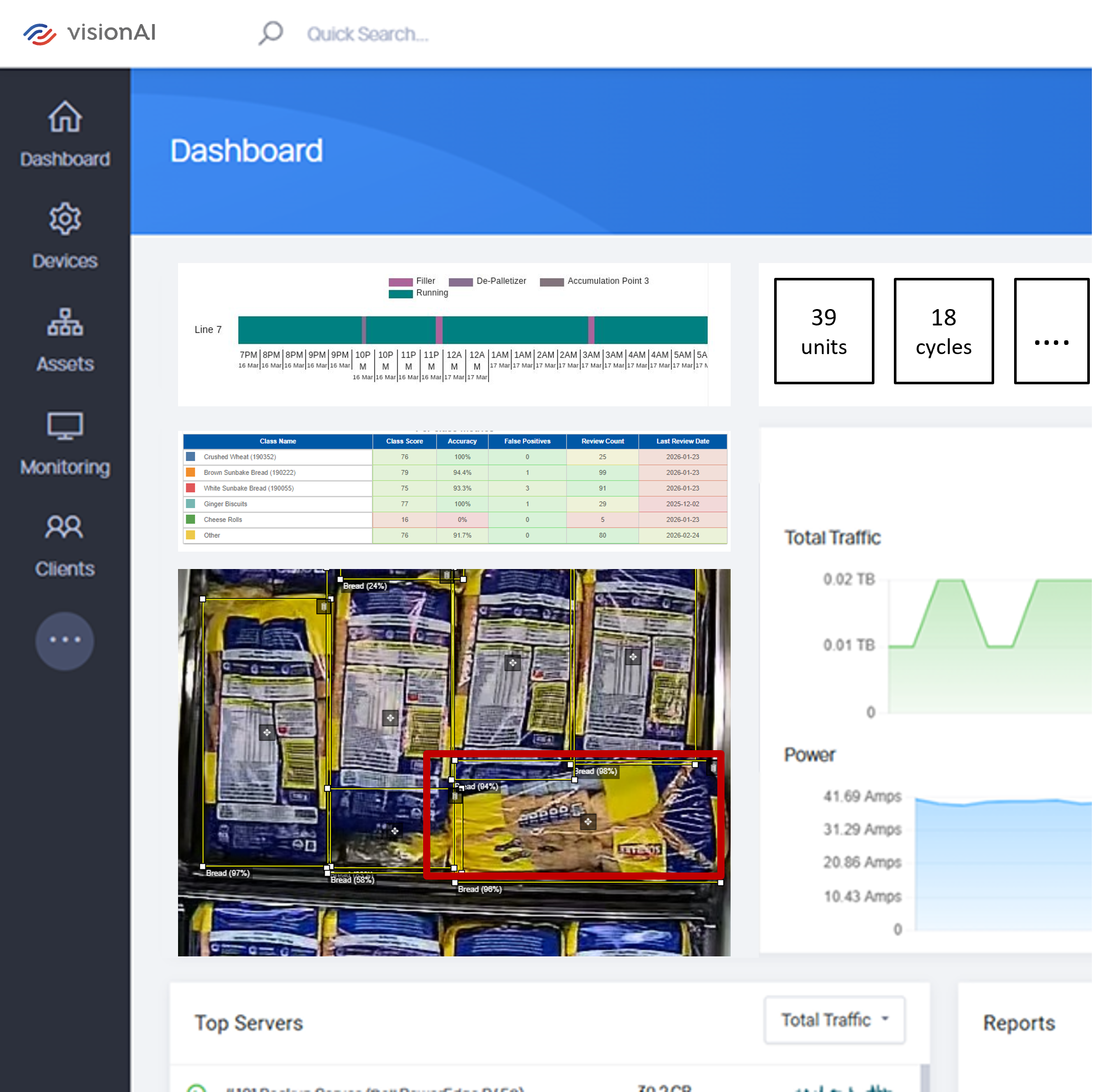
- Production rate monitoring by line, shift, and SKU
- Production start time verification — from changeover completion to first product
- Throughput comparison across cut-up lines, deboning stations, and portioning areas
- Idle time detection at packing, portioning, and dispatch stations
Every data point is backed by images and video – so you can prove what actually happened, not just what was reported.
Visual root cause analysis
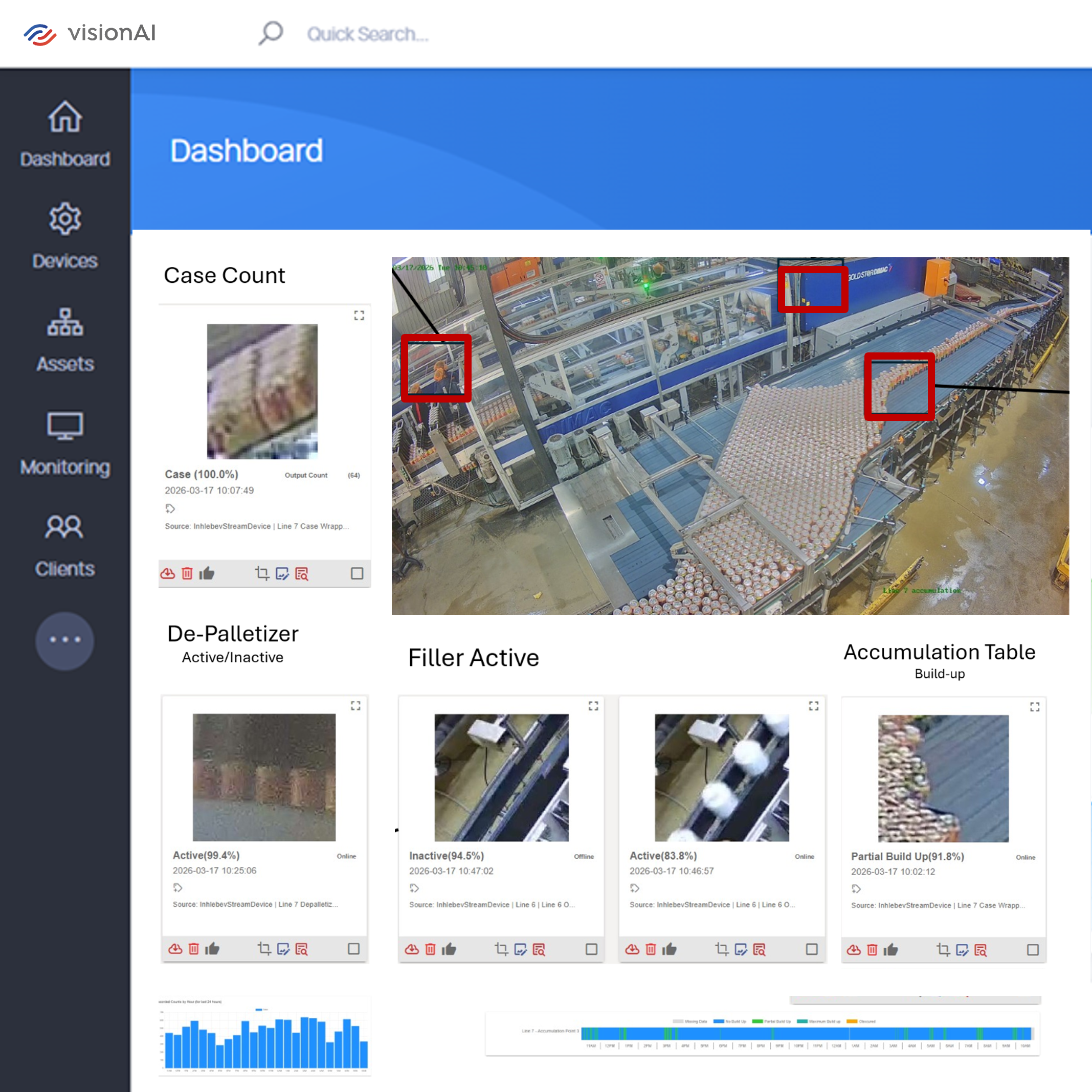
Sensors track conditions. MES records outcomes. visionAI closes the gap between them by observing the upstream visual events that cause yield loss – before they accumulate into significant production shortfalls.
- Detect over-trim, under-trim, and mis-cuts in real time
- Monitor supply-side disruptions: empty conveyors, stalled intake lines, or equipment jams
- Track packaging material availability and packing station backlogs
- Goods receiving, dispatch, and returns monitoring to reduce carcass, carton, and product losses
Visual operator productivity
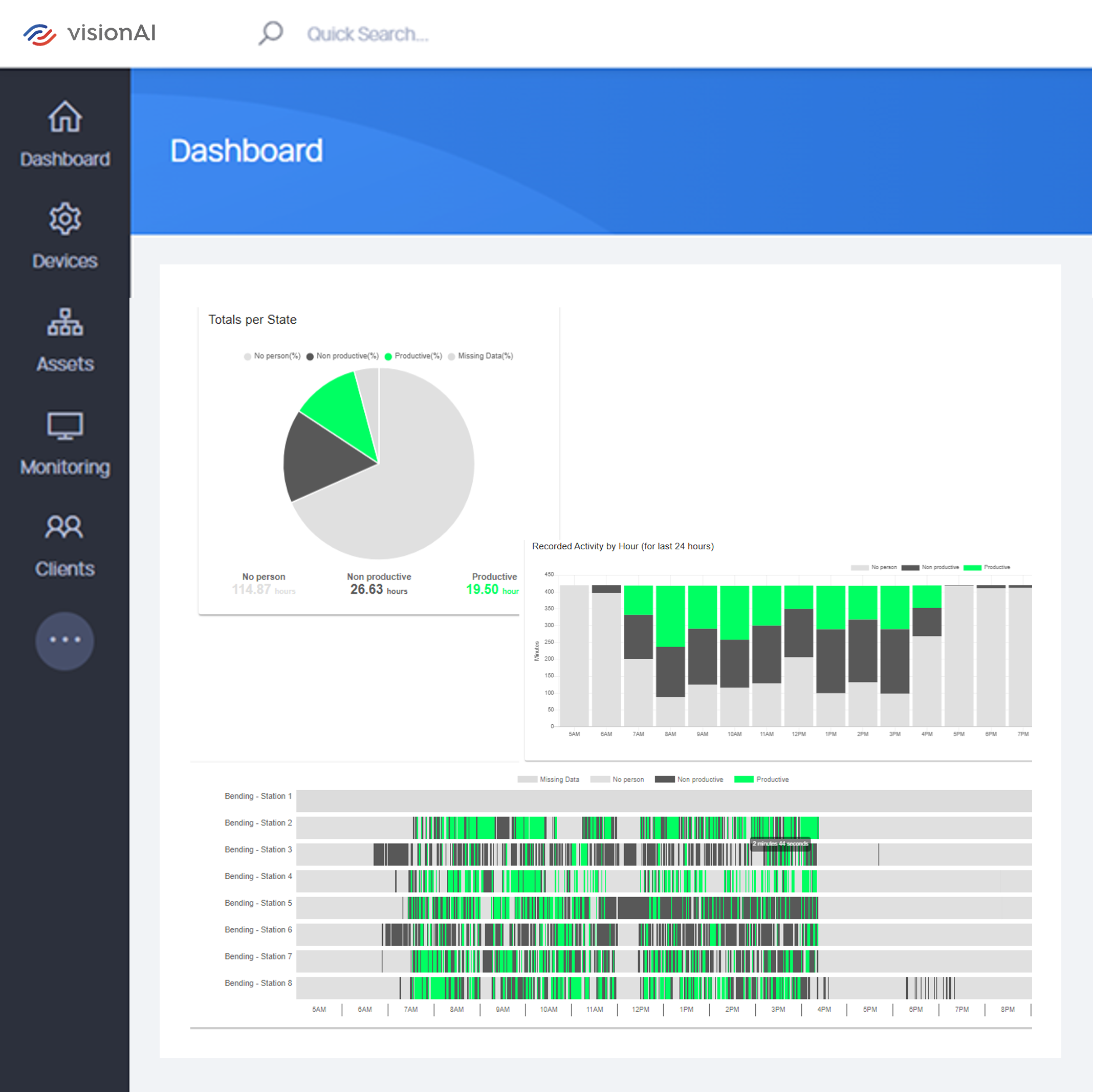
visionAI monitors operator activity across four levels of intelligence – from basic zone occupancy through to cycle time measurement and SOP compliance verification. This is operational visibility that helps managers allocate labour more effectively, identify training opportunities, and ensure compliance on every shift – not just during inspections.
- Monitor PPE compliance – gloves, hairnets, cut-resistant sleeves – at critical control points
- Verify hand-washing and sanitation SOP adherence between carcass handling and packaging zones
- Measure operator cycle times, productive vs idle time, and staffing allocation across shifts
- Support SSOP and HACCP documentation with a continuous visual audit trail
Why visionAI?
Built for the gap in your existing stack.
visionAI is not a replacement for your MES, your ERP, or your existing production data systems. It’s the layer of visual intelligence that answers the question those systems cannot: why.
No new cameras required
Works with CCTV and IP infrastructure already on your line
Augments, not replaces
Layer visionAI with your existing production data systems
Compliance-ready
Continuous visual records supporting USDA FSIS inspections, HACCP audits, and SSOP verification
Real-time intelligence
Delivered the way your team works – dashboard, mobile shift reports, and WhatsApp/IM alerts
Your cameras are already watching the line. Now put them to work eliminating your protein processing blindspots.
Insightsfrom the protein processing production line
The four levels of operator efficiency monitoring: a practical framework for profitable manufacturing operations
Computer vision vs sensors in manufacturing: how do they compare for efficient production counting?
It’s not ‘Big Brother’…It’s better manufacturing
Ready to improve your protein manufacturing efficiency?
Frequently asked questions
How does visionAI help with USDA FSIS and HACCP compliance in meat processing?
visionAI uses your existing camera network to provide continuous visual monitoring at critical control points throughout the processing plant. It supports USDA FSIS compliance by monitoring PPE adherence, hand-washing protocols, sanitation SOPs, and environmental hygiene – creating a continuous digital audit trail that reinforces HACCP programs and reduces the risk of noncompliance findings during inspections.
Can AI vision reduce yield loss in deboning and portioning operations?
Yes. visionAI observes the visual root causes of yield loss in real time – including over-trim, under-trim, mis-cuts, and portioning inconsistencies – before they accumulate into significant production shortfalls. By identifying which lines, shifts, or operators are driving yield variation, plant managers can intervene quickly and continuously improve cutting and portioning accuracy across every production run.
Does visionAI require expensive new equipment or machine vision hardware?
No. visionAI is designed to work with existing CCTV and IP cameras already installed in your facility – eliminating the heavy CAPEX associated with traditional, point-specific machine vision systems. This makes it practical to deploy across multiple processing zones, from intake and cut-up through to packaging and dispatch, without a significant hardware investment.
Does visionAI work across different protein types - beef, pork, poultry, seafood, and processed meat?
Yes. visionAI is not product-specific – it monitors the production environment, operator activity, and line efficiency regardless of the protein type being processed. Whether you run beef deboning lines, poultry cut-up operations, seafood filleting, or processed meat forming and packaging, the platform provides consistent operational visibility across your entire facility.